

Afro hair transplant planning can involve some considerations that differ from those associated with straighter hair types. Hair texture, the shape of follicles beneath the scalp, the condition of the donor area, the cause and pattern of hair loss, and individual healing characteristics can all influence how a qualified medical professional evaluates a potential procedure.
For anyone researching hair transplantation, the most important starting point is not a particular technique, graft number, clinic, or destination. It is an individualized medical assessment.
Hair transplantation is a surgical procedure, and suitability cannot be determined from photographs, advertisements, general online information, or a standard package. A licensed medical professional should evaluate the scalp and hair loss before a person makes treatment decisions.
Understanding Afro-Textured Hair
The term Afro-textured hair covers a broad range of curly, coiled, and tightly coiled hair patterns. It should not be treated as though every person has the same hair or scalp characteristics.
Medical literature discussing hair transplantation in people with Afro-textured hair notes that follicles can follow a curved path beneath the scalp. This can make assessment and follicular-unit extraction more technically complex in some individuals. There is also considerable variation between patients, which is why treatment planning should be individualized rather than based only on visible curl pattern.
This does not mean that one technique is automatically appropriate or inappropriate for everyone with curly or coiled hair.
A clinician may need to consider several factors together, including:
- the pattern and cause of hair loss
- available donor hair
- hair and follicle characteristics
- scalp condition
- previous procedures or scarring
- the size of the area being considered for transplantation
- the person’s medical history and expectations
These factors can vary significantly from one person to another.
Why the Donor Area Matters
Hair transplantation generally involves moving suitable hair follicles from a donor area to an area affected by hair loss or thinning.
Because transplanted follicles come from a limited donor supply, assessing that area is an important part of planning. The amount of hair that appears visually dense does not, by itself, determine how many follicles should be removed.
A professional assessment may consider donor density, scalp characteristics, follicle structure, existing hair loss and the possibility of future hair loss.
For this reason, advertised graft numbers should not be treated as a universal target.
Follicle Shape and Extraction Planning
One characteristic discussed in medical literature on Afro-textured hair is curvature below the surface of the scalp.
The direction of visible hair does not always reveal the full pathway of the follicle underneath the skin. Research has therefore examined how extraction techniques and instruments can be adapted for different follicular and scalp characteristics.
The practical point for readers is simple: a procedure should be planned according to the individual’s anatomy rather than relying only on the name of a technique.
This is also why a patient may wish to ask a qualified practitioner about experience with a range of curly and coiled hair patterns. That question is different from asking which clinic or method is ‘best.’ It is about understanding whether the professional has appropriate experience for the person’s individual circumstances.
FUE, DHI and Other Technique Names
People researching an Afro hair transplant will commonly encounter terms such as FUE and DHI.
These names can be useful for understanding how a clinic describes its procedure, but they should not be interpreted as a guarantee of suitability or outcome.
Hair-transplant planning involves more than the label attached to a procedure. Donor availability, scalp characteristics, the underlying cause of hair loss, follicular anatomy and the intended recipient area can all influence the approach considered by a qualified professional.
Readers should therefore be cautious about marketing that reduces a complex surgical decision to a single technique name.
Hairline and Recipient-Area Planning
A hair transplant is not simply about moving as many follicles as possible.
Where follicles are placed, how the recipient area is planned, and how existing hair may change over time can all be relevant to the overall treatment plan.
With curly or coiled hair, the visible direction and appearance of growing hair can add another consideration during planning.
However, no online article can determine what hairline, density or graft distribution is suitable for an individual. These questions should be discussed during a medical consultation after examination of the scalp and donor area.
Understanding the Cause of Hair Loss
Before considering surgery, it is also important to understand why hair loss is occurring.
Hair loss has many possible causes, and not every condition is approached in the same way.
A qualified clinician may examine the scalp and, when medically indicated, use additional testing to investigate the cause of hair loss before deciding whether someone is an appropriate candidate for transplantation.
A person should not assume that visible thinning automatically means that transplantation is appropriate.
Questions to Ask During a Consultation
A consultation is an opportunity to understand the proposed procedure rather than simply receive a quotation.
- What is the likely cause of my hair loss?
- Am I medically suitable for a hair transplant?
- How has my donor area been assessed?
- Does my follicle or scalp structure affect the proposed approach?
- Why is this particular technique being discussed?
- Who will perform each part of the procedure?
- What risks and limitations apply in my individual case?
- What follow-up care will be available?
- What should I realistically expect from the procedure?
- Could my existing non-transplanted hair continue to thin?
A qualified professional should be able to explain the proposed plan, reasonable alternatives and relevant risks in understandable language.
Researching Afro Hair Transplantation Abroad
International medical travel adds practical considerations beyond the procedure itself.
A person may need to think about who will perform the medical procedure, professional credentials, communication before and after treatment, access to follow-up care after returning home, and what would happen if a complication required assessment.
Turkey is one destination frequently encountered by people researching hair transplantation internationally.
For readers specifically researching provider information, this sponsored resource discusses Afro hair transplantation in Turkey
The external page is a commercial provider resource and should not be treated as independent medical evidence or as an endorsement by WellHealthOrganic.com.
Readers should independently verify professional credentials, procedural details, costs, risks, follow-up arrangements and suitability before making decisions.
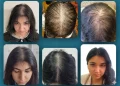
Be Careful With Before-and-After Images
Before-and-after photographs are commonly used in cosmetic-procedure marketing.
They may provide context, but photographs alone cannot establish what result another person will experience.
Different patients can have different donor characteristics, hair-loss patterns, hair textures, medical histories and treatment plans.
Lighting, styling, hair length, camera angle and timing can also affect how photographs appear. For these reasons, images should not replace an individualized medical assessment.
Results Cannot Be Guaranteed
No responsible health article should promise a particular cosmetic result from an Afro hair transplant or any other surgical procedure.
The outcome of hair transplantation can depend on multiple individual and procedural factors.
Medical information should therefore distinguish between explaining how a procedure works and predicting what will happen to a specific person.
Anyone who is considering surgery should ask the treating medical professional about realistic expectations, risks, recovery and possible limitations.
Making an Informed Decision
Research can help people prepare better questions, but online content has clear limits.
A clinic website can explain the services offered by that clinic. A medical publication can provide general scientific information. A health blog can help readers understand terminology and considerations. None of these replaces an examination by an appropriately licensed healthcare professional.
For people considering an Afro hair transplant, a sensible decision-making process includes understanding the cause of hair loss, obtaining an individualized assessment, reviewing donor-area considerations, asking how curly or coiled follicles affect planning, understanding the proposed procedure and checking what follow-up care will be available.
The objective should not be to find the largest advertised graft count, the newest-sounding technique or a clinic described as ‘best.’ The more appropriate goal is to obtain enough reliable information to discuss personal suitability, risks and expectations with a qualified professional.
Disclaimer
This article is intended for general informational and educational purposes only. It does not provide medical advice, diagnosis, treatment, surgical advice, or personalized healthcare guidance and is not a substitute for consultation with a qualified, licensed healthcare professional.
The information in this article should not be used to self-diagnose, self-treat, begin, delay, modify, or discontinue any treatment, medication, procedure, or medical care. Decisions regarding hair loss, hair transplantation, cosmetic procedures, or any other health matter should be made only after consultation with an appropriately qualified healthcare professional.
Any treatments, techniques, procedures, or medical concepts mentioned are included solely for general awareness. WellHealthOrganic.com and the author do not recommend, prescribe, guarantee, validate, or endorse any treatment, technique, clinic, doctor, surgeon, provider, product, or service mentioned in this article.
Clinic and Provider Disclaimer: Any doctor, clinic, healthcare provider, brand, country, city, or service mentioned is included only where contextually relevant. Such references do not constitute a recommendation, ranking, endorsement, professional evaluation, or independent assessment by WellHealthOrganic.com. WellHealthOrganic.com has not independently reviewed or verified the qualifications, services, claims, results, safety, or suitability of any linked or mentioned provider.
External Links Disclaimer: Any external link, including sponsored or user-submitted links, is provided only for general informational and contextual reference. WellHealthOrganic.com does not control external websites and does not guarantee the accuracy, completeness, safety, effectiveness, legality, availability, or reliability of their content, services, claims, or information. Readers should independently verify all relevant information before making healthcare or financial decisions.
Accuracy Notice: Reasonable efforts may be made to provide useful general information, but WellHealthOrganic.com and the author do not guarantee that the information is complete, current, error-free, or suitable for any particular individual or situation.
Image Disclaimer: Any images used with this article are for illustrative reference only. They should not be interpreted as actual patient results, treatment outcomes, endorsements, or representations of what any reader should expect.
Author & Website Qualification Notice: WellHealthOrganic.com and the author are not doctors, dermatologists, hair transplant surgeons, hair restoration specialists, scientists, or licensed healthcare providers. We cannot determine whether any treatment, procedure, clinic, or medical option is appropriate for an individual reader.
Any health-related decision made after reading this article remains the reader’s responsibility. Before making any decision concerning hair loss, hair transplantation, or another medical or cosmetic procedure, readers should consult a qualified healthcare professional, dermatologist, or their family doctor.
Nothing in this article creates a doctor-patient, surgeon-patient, healthcare-provider-patient, or other professional relationship between the reader, WellHealthOrganic.com, the author, or any person or organization mentioned.
To the extent permitted by applicable law, WellHealthOrganic.com and the author are not responsible for loss, harm, injury, expense, or other consequences arising from reliance on, interpretation of, or use of this general informational content or any linked third-party website.
If you believe you are experiencing a medical emergency, seek immediate assistance from a qualified healthcare professional or local emergency service.