
Starting a cold plunge routine is easy. Sticking with one is harder.
The first few sessions often come with plenty of motivation. You fill the tub, add the ice, brace yourself for the cold, and feel pretty accomplished when you climb back out.
Then real life gets involved.
Buying ice every few days becomes inconvenient. Some mornings are too busy. The water is much colder one day than the next. Before long, a simple wellness habit starts feeling like another task on the schedule.
A useful cold plunge routine doesn’t have to be extreme or complicated. In fact, the routines that last are often the ones that are easiest to repeat.
Disclosure: This article contains sponsored links.
Building a Routine You Can Actually Maintain
Social media can make cold plunging look like a competition: colder water, longer sessions, more ice.
That isn’t a particularly helpful place to start.
If you’re new to cold-water immersion, the initial cold can cause a sharp change in breathing and may make some people want to climb straight back out. Becoming familiar with that sensation can be part of the experience, rather than immediately chasing a temperature someone else uses.
The same applies to frequency.
Cold-plunge routines can vary from person to person. A routine that fits naturally into someone’s week may be easier to maintain than a daily challenge.
Make Temperature Predictable
Temperature is one of the biggest variables in cold-water immersion.
When you’re using bags of ice, getting the same conditions twice can be surprisingly difficult. Starting water temperature, weather, tub size, and the amount of ice all affect how cold the water eventually becomes.
That’s fine for an occasional ice bath. It can become frustrating when cold plunging turns into a regular habit.
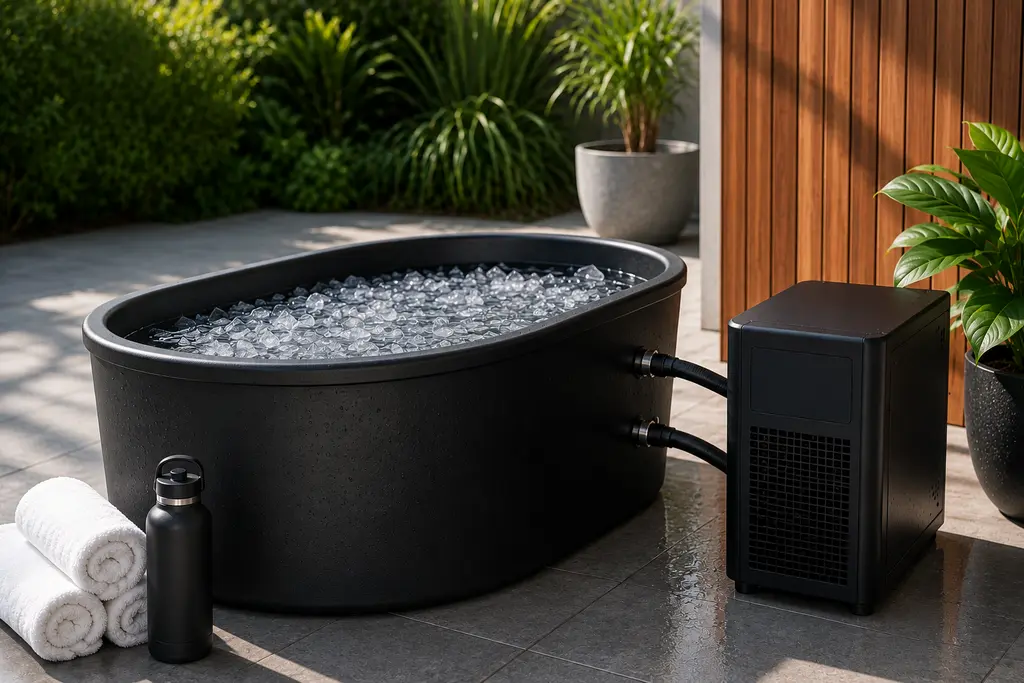
For people who use a home setup several times a week, a dedicated water chiller for ice bath may provide another way to manage water temperature without repeatedly adding ice manually. A chiller is designed to cool the water and, depending on the model, help maintain a selected temperature, making it easier to return to similar conditions each time.
That doesn’t mean the goal should be to set the machine as low as it goes.
Temperature is simply one part of the routine. A manageable and repeatable plunge is usually more practical than an extremely cold session you dread doing again.
Find a Time That Works for Your Day
There is no single “best” time to cold plunge.
Some people like doing it in the morning because the cold leaves them feeling awake and ready to start the day. A short plunge can also become a clear boundary between waking up and moving into work or other responsibilities.
Athletes may have different priorities. Cold-water immersion is commonly used after demanding exercise, particularly when soreness or perceived recovery is a concern. Research suggests that it may reduce muscle soreness in some circumstances, although results vary depending on the exercise, immersion protocol, and outcome being measured.
Strength training requires a little more thought. If building muscle is a priority, it is better not to assume that cold-water immersion immediately after every resistance workout is beneficial. Some research suggests that immediate post-exercise cold-water immersion may attenuate certain muscle-growth adaptations, although the evidence is not definitive and may depend on how the exposure is used.
Evening plunges are another option, but they aren’t for everyone. If cold water leaves you feeling highly alert, doing it right before bed may not fit your routine particularly well.
The right time is the one that matches both your goals and the way your body responds.
What Are You Hoping to Get From It?
Cold plunging becomes easier to use sensibly when you know why you’re doing it.
For some people, it’s about physical recovery. Cold-water immersion has long been popular among runners and athletes dealing with the soreness that follows demanding training.
For others, the attraction has little to do with exercise.
Cold water demands attention. When you first get in, you’re probably not thinking about your inbox or what you need to cook for dinner. You’re paying attention to your breathing and the immediate physical sensation.
That brief shift in attention is one reason some people describe the experience as refreshing or mentally engaging.
Others simply enjoy the alertness or sense of accomplishment. You chose to do something uncomfortable, stayed within your limits, and finished it.
None of these experiences require turning cold plunging into a test of toughness.
Don’t Let Social Media Set Your Limits
There will always be someone online sitting in colder water for longer.
That doesn’t mean you should.
Cold tolerance varies considerably from person to person, and even your own response can change from day to day. Sleep, fatigue, training, health, and previous cold exposure can all influence how a session feels.
Pay attention to what your body is telling you instead of treating discomfort as something that must always be overcome.
Extreme shivering, dizziness, numbness, confusion, or feeling unusually unwell aren’t achievements. They’re reasons to stop.
A sustainable routine should leave room for adjustment.
Keep Safety Ahead of the Routine
Cold-water immersion is not suitable for everyone. Sudden exposure to cold water can produce a strong cold-shock response, including rapid breathing and changes in heart rate and blood pressure. People with cardiovascular conditions, other medical concerns, or questions about whether cold-water immersion is appropriate for them should speak with a qualified healthcare professional before using it.
Cold plunges should also be approached as a safety activity rather than a test of endurance. Avoid treating extreme cold or prolonged exposure as a goal, and stop if you develop concerning symptoms such as dizziness, confusion, fainting, chest discomfort, or significant difficulty breathing.
Make the Habit Convenient
One overlooked part of building any healthy habit is reducing friction.
A three-minute cold plunge isn’t particularly convenient if it requires a trip to buy ice, another 20 minutes preparing the water, and more work afterward.
That’s where a permanent home setup can make a difference.
For people considering a home setup, a water chiller can be one option for managing water temperature without repeatedly adding ice. Product specifications, compatibility, installation requirements, and operating conditions can vary between models, so those details should be checked directly with the manufacturer before purchase.
Readers who want to learn more about one manufacturer of cold-plunge equipment can visit Plunge Chill for product information.
Frequently Asked Questions
How often should you cold plunge?
There isn’t one schedule that works for everyone. Frequency can vary depending on the person, the purpose of cold-water immersion, and how the individual responds to it.
Is colder always better?
No. Extremely cold water doesn’t automatically mean a better session. Consistency and personal tolerance matter more than chasing the lowest temperature.
Should you cold plunge before or after exercise?
It depends on your training goal. Cold exposure after endurance exercise and timing around strength training shouldn’t necessarily be treated the same way. Research suggests that the effects can differ depending on the type of exercise and the outcome being considered.
Build the Habit, Not the Challenge
A good cold plunge routine doesn’t need to look impressive online.
It needs to work on an ordinary Tuesday morning when you’re busy, tired, and don’t feel like spending half an hour preparing an ice bath.
A manageable temperature may be more practical than chasing extremely cold conditions. Find a time that fits your day. Keep sessions reasonable and pay attention to how you respond.
If cold-water immersion causes severe or unusual symptoms such as confusion, fainting, chest discomfort, or significant breathing difficulty, stop the activity and seek appropriate medical attention.
Once those pieces fall into place, cold plunging stops being an occasional challenge and starts becoming something much simpler: a wellness habit you can actually maintain.
Disclaimer
This article is intended for general informational and educational purposes only. It is not a substitute for professional medical advice, diagnosis, treatment, or personalized guidance from a licensed healthcare provider. The content should not be used to self-diagnose, self-treat, change medications, begin or stop any treatment, delay professional care, or make decisions about medical procedures without consulting a qualified healthcare professional.
Cold-water immersion can affect people differently and may involve physical risks, particularly for individuals with certain medical conditions or other risk factors. The information in this article does not determine whether cold-water immersion is appropriate for any particular person. Anyone with a medical condition, concerns about cold exposure, or uncertainty about whether this activity is suitable for them should consult a qualified healthcare professional before participating.
Any discussion of research, potential benefits, risks, recovery, or other health-related effects is provided for general educational context only. Research findings may vary, and no specific health outcome, therapeutic benefit, performance improvement, recovery result, or other result is guaranteed or promised.
The information provided does not verify, guarantee, or endorse the safety, effectiveness, durability, quality, compatibility, or suitability of any cold-plunge equipment, water chiller, tub, accessory, or other product mentioned in this article. Product specifications, features, operating requirements, warranties, availability, and manufacturer information may change over time. Readers should review current manufacturer information and product documentation independently before making a purchase or using any equipment.
Any mention of a company, brand, product, or service is provided for general informational or contextual purposes only and does not constitute medical endorsement, recommendation, ranking, certification, approval, or guarantee by WellHealthOrganic.com or the author. External links are provided for reference only. WellHealthOrganic.com and the author do not independently guarantee the accuracy, safety, effectiveness, quality, availability, or performance of information, products, or services provided by third-party websites.
If a commercial relationship, sponsorship, affiliate arrangement, free product, discount, payment, or other material connection exists between WellHealthOrganic.com, the author, and a company or product mentioned in this article, that relationship should be disclosed in accordance with applicable advertising and consumer-protection requirements.
Images used with this article are illustrative references only. They do not represent actual patients, medical treatments, clinical outcomes, product performance, or guaranteed results.
WellHealthOrganic.com and the author are not doctors, medical professionals, licensed healthcare providers, or qualified medical advisors. Nothing in this article creates a doctor-patient relationship or any other professional healthcare relationship.
While reasonable efforts may be made to present information from reliable public sources, WellHealthOrganic.com does not guarantee that all information is complete, current, error-free, or applicable to every individual or situation. Readers are responsible for independently evaluating information and seeking appropriate professional advice when necessary.
If a reader experiences a medical emergency or severe or unusual symptoms, they should stop the activity and seek appropriate medical attention or emergency assistance rather than relying on this article.
By reading or acting upon this article, readers remain responsible for their own health, safety, and purchasing decisions. WellHealthOrganic.com and the author are not responsible for decisions made solely on the basis of this general informational content, subject to applicable law.