
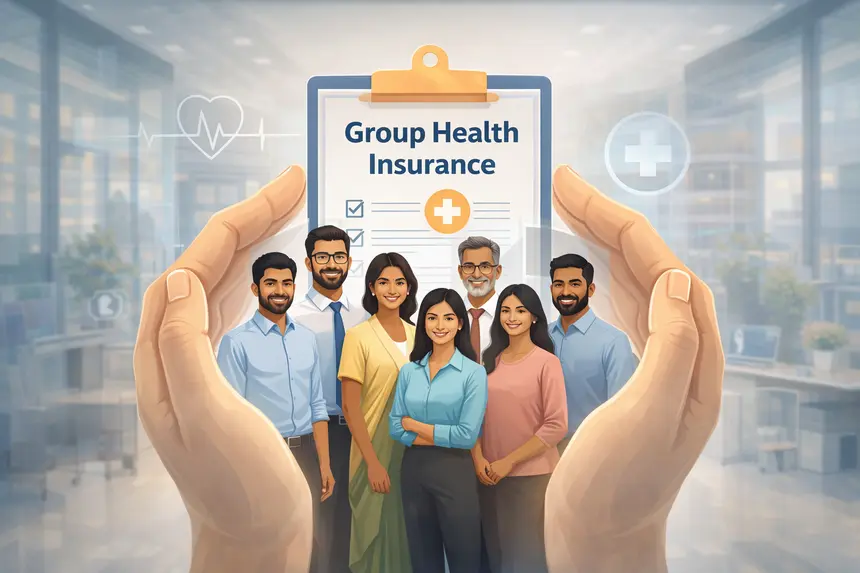
The workplace is undergoing numerous changes. Employees in today’s workplace require more than wages. For their safety, care, peace of mind, and more, employees require several benefits. One such benefit, which has become increasingly relevant in recent years, is group health insurance which is commonly offered by employers to support employee healthcare needs. By 2026, this benefit is increasingly viewed as an important component of employee benefits in many organisations.
Rising Healthcare Costs Are a Big Worry
Healthcare expenditure is rising each year. Consultation fees, hospital charges, medicines, and tests are rising. Group health insurance can alleviate this stress. It helps cover certain medical expenses and may reduce the financial burden associated with treatment, subject to policy terms.
Employees Expect Health Benefits Today
The modern worker has a different mindset. Young professionals, veterans, and part-time workers have come to expect that their employers provide health care. Many job seekers consider health insurance the first thing they want to know about.
In 2026, Some organisations may find it more challenging to attract or retain talent without offering health-related benefits.
Better Health Means Better Work
Healthy employees are more active, positive, and focused. Employees know that medical help is available to them and, hence, take better care of their health. They visit doctors on time and are not negligent about their health issues. Group health insurance also supports regular health check-ups and early diagnosis. This may help reduce prolonged sick leave and support day-to-day productivity in some workplaces, as a healthy team performs better together.
Assists with Talent Attraction & Retention
It takes time to recruit new staff. Losing qualified workers means even higher costs. Providing excellent benefits seems to be an effective way to build loyalty. Group health insurance instils confidence. Workers feel cared for and valued. This motivates them to remain in the business for an extended period.
Supporting Mental Health & Wellbeing
Work-related stress, long hours, and personal issues can affect mental health. A mental support program is also now being integrated into most group insurance plans. This will include stress management or counselling sessions. When organisations provide mental health support, employees feel understood. They therefore develop a positive working environment where people are open, happy, and eager to work.
Cost-effective for Employers
Some entrepreneurs consider health insurance costly. However, In some cases, group health insurance policies may offer cost efficiencies compared to individual policies, depending on plan structure and workforce size. Because health insurance protects many workers in a firm, premiums per employee decrease. Moreover, healthy employees take fewer sick days. The cost-saving potential adds value to this investment.
Creates a Caring Company Image
A business does not get measured solely by its products or services. A business is also measured by how it treats people. Group health insurance helps in creating a caring and responsible image. Customers, business partners, and prospective workers trust companies that care for their workers. In 2026, business value is directly tied to employee well-being. Providing coverage is key to establishing that trust.
Legal and Policy Changes
In India, guidelines and policy discussions increasingly recognise the importance of employee health coverage, though requirements vary by organisation. Regulations and guidelines are also evolving. Businesses that implement group health insurance coverage stay ahead and mitigate upcoming challenges.
Conclusion
The working world in the year 2026 is centered on people, not profit alone. Workers demand security, support, and care. Group health insurance can provide broad coverage through a single policy structure, subject to plan design and terms. It protects employees from costly healthcare expenses, enhances their performance, and promotes their loyalty. To the employer, It can contribute to a healthier workplace environment and support employee well-being.
Disclaimer:
This article is published as a sponsored guest post for general informational and educational purposes only. The sponsorship relates solely to content placement and visibility and does not imply editorial endorsement, recommendation, or preference for any employer, insurance provider, insurer, policy, or plan.
WellHealthOrganic.com and the author are not insurance agents, brokers, advisors, web aggregators, or IRDAI-licensed intermediaries, and do not sell, solicit, recommend, or distribute insurance products. This article does not constitute insurance, financial, legal, or professional advice. Employers and readers should review official policy documents carefully and consult qualified insurance professionals or licensed intermediaries before making any decisions related to employee benefits or insurance coverage.
Any references to group health insurance, employee healthcare benefits, policy features, healthcare costs, or workplace practices are explanatory in nature only and are intended to provide general awareness. Coverage, benefits, premiums, inclusions, exclusions, eligibility, claims processes, and outcomes vary by insurer, employer, policy terms, and applicable regulations. No guarantees, assurances, or representations are made regarding suitability, cost savings, claims approval, or specific results.
This article does not provide medical or healthcare advice. Any mentions of medical care, hospitalisation, mental health support, counselling, or wellness services are included solely for general informational context and should not be interpreted as medical guidance. Employees and employers should consult qualified healthcare providers for medical or clinical decisions.
External links included in this article may form part of the sponsored content arrangement and are provided solely for general reference to official or informational sources. Such links do not constitute endorsement or recommendation. WellHealthOrganic.com and the author do not earn sales commissions, affiliate income, or performance-based referral fees from user clicks or insurance purchases.
While reasonable care is taken to ensure accuracy, WellHealthOrganic.com does not guarantee the completeness, reliability, or timeliness of the information provided. Readers are encouraged to independently verify all information from official sources.
Nothing in this article should be construed as an offer, solicitation, or invitation to purchase insurance under applicable Indian laws or regulations.
Images used in this article, if any, are for illustrative purposes only and do not represent real individuals, employers, insurers, healthcare providers, or actual events.
By reading this article, readers acknowledge that all decisions related to insurance, employment benefits, healthcare, or financial matters are made at their own discretion and risk. WellHealthOrganic.com and the author shall not be held liable for any loss, damage, or consequences arising from reliance on this content.