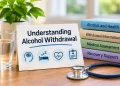


In rural communities and small towns, social gatherings may include weddings, harvest celebrations, hunting season and other occasions where people spend time together. Alcohol may be present at some of these gatherings, although drinking habits and attitudes towards alcohol differ among individuals and communities.
Changes in someone’s drinking habits may not always be apparent to others. Understanding alcohol-related concerns and available professional resources can provide a starting point for informed conversations.
Social Settings and Everyday Drinking Habits
Social occasions, seasonal activities and work schedules form part of everyday life in many communities. Individual drinking habits can vary depending on personal circumstances and preferences.
The presence of alcohol at social gatherings does not, by itself, establish whether someone has an alcohol-related health condition. Individual concerns require appropriate professional assessment rather than assumptions based on someone’s occupation, lifestyle or location.
Signs Drinking Has Become a Problem
The National Institute on Alcohol Abuse and Alcoholism describes alcohol use disorder as a medical condition involving difficulty controlling alcohol consumption despite its effects on a person’s health or everyday responsibilities.
Its educational resources describe experiences such as drinking beyond one’s intended amount, difficulty reducing alcohol consumption, increased alcohol tolerance and continued drinking despite health or personal concerns.
These examples are provided for general awareness and should not be used to diagnose oneself or another person. An individual assessment by a qualified healthcare professional is necessary to determine whether a medical condition is present.
Personal Circumstances and Access to Support
Privacy, work schedules and family responsibilities are relevant considerations when discussing personal health concerns.
Individuals, including women who are pregnant or parenting, can discuss alcohol-related questions and their individual circumstances with an appropriately qualified healthcare professional.
Personal experiences differ, and assumptions about drinking habits should not be made based on gender, family responsibilities or geographical location.
What Families Can Do
When alcohol-related concerns arise within a family, respectful conversations and listening without making assumptions about someone’s health are general considerations.
Family members can also become familiar with available professional resources and discuss their concerns with qualified healthcare professionals.
Peer-support organisations such as Al-Anon provide opportunities for family members and friends to share their experiences. Such resources are not a substitute for professional medical assessment, diagnosis or treatment.
What Treatment Can Look Like
Alcohol treatment is not one-size-fits-all. Educational resources from the National Institute on Alcohol Abuse and Alcoholism describe different care settings, including residential treatment, intensive outpatient care and outpatient services.
Residential care takes place within a treatment facility, while day treatment and outpatient programmes generally involve scheduled appointments or sessions. Programme structures, availability and duration vary.
For geographical reference, Providence House provides information about alcohol rehab in North Dakota on its website. This external resource is included for contextual information only and does not represent a recommendation, endorsement or independent evaluation of the provider or its services.
The appropriate level of care depends on an individual assessment by a qualified healthcare professional.
Frequently Asked Questions
Is it safe to quit drinking on my own?
According to the National Institute on Alcohol Abuse and Alcoholism, suddenly stopping alcohol consumption after a prolonged period of heavy drinking can result in serious and potentially life-threatening withdrawal.
Individuals concerned about alcohol withdrawal should obtain medical guidance from a qualified healthcare professional before making changes to their alcohol consumption. Seizures, severe confusion, hallucinations or other suspected medical emergencies require immediate emergency medical assistance.
Can I get treatment without being gone for months?
Treatment settings, schedules and duration vary according to individual circumstances and programme arrangements.
A qualified healthcare professional can assess the appropriate level of care. Current scheduling and admission requirements should be verified directly with the relevant service provider.
What if my family doesn’t think I have a problem?
Personal concerns about alcohol consumption can be discussed with a qualified healthcare professional. Family opinions alone do not establish whether an alcohol-related medical condition is present.
Ask the Question Out Loud
Concerns about alcohol consumption can be discussed respectfully and without judgment. Understanding general educational information and available professional resources can provide a starting point for these conversations.
Individual questions about alcohol use, withdrawal and treatment options should be discussed with qualified healthcare professionals rather than relying solely on online information.
Medical, Legal and Editorial Disclaimer
This article is published solely for general informational and educational purposes. It does not constitute medical advice, diagnosis, treatment, addiction counselling, detoxification guidance, legal advice, or personalised professional recommendations.
WellHealthOrganic.com and the author are writers and publishers, not doctors, medical practitioners, scientists, researchers, addiction specialists, therapists, or licensed healthcare professionals. Readers should consult an appropriately qualified healthcare professional before making any health-related or treatment decisions.
Alcohol withdrawal can involve serious and potentially life-threatening complications. Individuals concerned about alcohol dependence or withdrawal should consult a qualified healthcare professional before abruptly stopping or reducing alcohol consumption. This article should not be used for self-diagnosis, self-treatment, independent detoxification, or starting, stopping, or changing any medication or prescribed treatment. In a suspected medical emergency, contact local emergency medical services immediately.
Any references to healthcare providers, rehabilitation facilities, treatment programmes, organisations, communities, or geographical locations are provided for contextual and educational purposes only. Such references do not constitute recommendations, referrals, endorsements, certifications, rankings, or guarantees of treatment quality, safety, effectiveness, suitability, recovery, or individual outcomes.
This article contains a sponsored external link. The sponsorship relates to publication and link placement only and does not constitute medical endorsement, independent clinical verification, or a recommendation to use any third-party service.
WellHealthOrganic.com and the author have not independently verified the third-party provider’s website content, services, credentials, licensing, certifications, claims, treatment quality, or safety. External websites are independently owned and operated. We do not control or guarantee their accuracy, reliability, security, availability, or services. Readers should independently verify all relevant information before contacting, sharing personal information with, or using any third-party service.
While reasonable editorial care has been taken, WellHealthOrganic.com and the author do not guarantee the accuracy, completeness, timeliness, or applicability of the information presented. References to government agencies, medical organisations, or educational resources do not imply their approval, endorsement, or verification of this article or any third-party service mentioned. Healthcare regulations, licensing requirements, and treatment availability may vary between countries and jurisdictions.
Any accompanying images, graphics, or illustrations are provided for general illustrative purposes only and should not be interpreted as representations of actual patients, healthcare facilities, medical procedures, or treatment outcomes unless expressly stated otherwise.
Readers are responsible for independently verifying information, obtaining appropriate professional guidance, and making decisions at their own discretion, responsibility, and risk. To the fullest extent permitted by applicable law, WellHealthOrganic.com and the author shall not be held responsible or liable for any loss, injury, harm, damage, financial expense, or other consequences arising from reliance on, use of, or misuse of this article or any third-party information, website, treatment, or service. Nothing in this disclaimer excludes or limits any legal rights or liabilities that cannot lawfully be excluded or limited.
Reading this article does not establish a doctor-patient, therapist-client, or other professional healthcare relationship.
If any individual, organisation, or concerned party identifies inaccurate, outdated, misleading, or inappropriate information in this article, they may contact WellHealthOrganic.com through its official contact details for editorial review and appropriate correction.
Image Disclaimer: Any illustrative images accompanying this article are provided for general visual reference and should not be interpreted as evidence of treatment outcomes, actual patients, or specific healthcare services.