

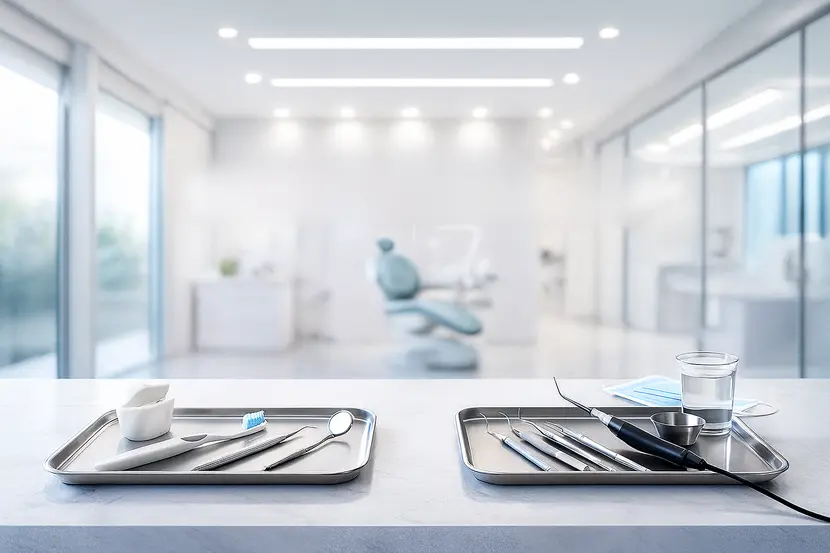
A routine visit to a dental professional often involves some type of cleaning, but many people feel unsure about the difference between standard teeth cleaning and deep cleaning. When someone schedules an appointment or seeks general information about what a Dentist in Oxnard usually checks during these procedures, it helps to understand the purpose of each approach. Both are common parts of dental care worldwide, and learning the distinctions can make future appointments more comfortable and predictable.
Dental cleanings are typically preventive in nature. They help individuals maintain oral hygiene and monitor changes in their teeth and gums over time. Deep cleaning, on the other hand, is usually recommended when gum health needs closer attention. While the details of treatment always depend on the individual and the licensed professional involved, people often benefit from understanding the broad differences between the two methods.
What Standard Teeth Cleaning Usually Involves
A standard cleaning, sometimes called prophylaxis, is part of many routine dental check-ups. Anyone meeting a Dentist in Oxnard or in any other city for a routine evaluation may encounter this type of cleaning as part of general care.
The process often includes:
- Examination of Teeth and Gums
A dental professional usually begins by checking overall oral condition. This step helps identify early signs of plaque buildup, gum inflammation, or other changes.
- Removal of Plaque and Tartar
Using specific tools, the professional gently removes buildup that regular brushing may not address. This helps prevent potential oral issues later.
- Polishing the Teeth
After removing deposits, the teeth are polished to smooth the surface. This step helps reduce new plaque from sticking easily.
- Oral Hygiene Guidance
During a routine visit, individuals may receive general tips on maintaining daily oral health. This can include brushing habits, flossing, and lifestyle considerations.
A standard cleaning is commonly performed at regular intervals depending on a person’s needs, age, and oral hygiene habits. It is meant to support long-term maintenance, not guarantee specific outcomes.
What Deep Cleaning Means and When It May Be Recommended
Deep cleaning is different from standard cleaning. It usually involves two key steps—scaling and root planing—and is typically suggested when gum health requires more attention. When people consult a dentist in Oxnard or elsewhere about gum-related concerns, a deep cleaning may be part of the conversation depending on their condition.
- Scaling
This step focuses on removing plaque and tartar located below the gumline, not just on the tooth surface.
- Root Planing
This involves smoothing the root surfaces to support gum tissue healing. It is generally performed in multiple sessions and may require follow-up appointments.
Deep cleaning is widely recognized as a preventive approach to help manage early gum-related concerns. It is not a cure and does not promise specific results. The decision to undergo this procedure always depends on patient evaluation, medical history, and professional judgment.
How to Know Which Cleaning You May Need
People often feel uncertain about which type of cleaning is appropriate for them. A licensed dental professional is the only person who can assess this accurately through clinical evaluation. Still, understanding general indicators can help people prepare for conversations during their appointments.
Standard Cleaning Is Usually Considered When:
- There is mild plaque buildup
- Gums appear generally healthy
- Routine maintenance is the goal
- There are no signs of advanced gum concerns
Deep Cleaning Is Usually Considered When:
- Gum pockets measure deeper than normal
- There is noticeable buildup beneath the gumline
- Gum inflammation is present
- A dental professional identifies early signs of gum-related issues
Even when someone meets a dentist in Oxnard to discuss symptoms like bleeding gums or sensitivity, the recommendation depends entirely on professional assessment. No online resource can determine a diagnosis or prescribe a procedure.
Is There Discomfort Involved? Understanding What Patients Commonly Report
People often ask what these cleanings feel like. Experiences vary widely from person to person. Some individuals report mild sensitivity, while others feel very little discomfort. Much depends on gum health, sensitivity levels, and individual tolerance.
Dental professionals typically prioritize patient comfort and may offer options during the procedure. Descriptions found online are general in nature and should not be treated as clinical expectations.
How People Can Prepare for a Cleaning Appointment
Regardless of whether someone expects a standard cleaning or deep cleaning, preparation can make the experience smoother. When visiting a dentist in Oxnard, or any other location, patients often prepare by:
- Updating the clinic about any medical conditions
- Bringing a list of medications they currently take
- Asking questions about the steps involved
- Sharing any concerns about sensitivity
- Reviewing daily oral care habits
Preparation helps ensure that the appointment is efficient and allows the professional to provide the most accurate guidance.
Maintaining Oral Health After the Appointment
After a cleaning—whether standard or deep—daily habits play a major role in maintaining oral hygiene.
Common Practices Individuals Usually Follow:
- Brushing twice a day
- Using floss or interdental cleaners
- Staying consistent with dental check-ups
- Being mindful of food and drink choices
- Paying attention to signs like bleeding gums or persistent sensitivity
These general actions do not replace professional care but help support long-term oral hygiene.
Why Understanding the Difference Matters
People often hear terms like “scaling,” “root planing,” or “routine cleaning” and feel unsure about what each procedure involves. Learning the basics helps individuals feel more confident discussing their options during an appointment with a dentist in Oxnard or any region.
Understanding the difference also helps avoid assumptions. A standard cleaning is not a substitute for deep cleaning when gum health requires closer attention, and deep cleaning is not necessary for everyone. Each approach has a purpose, and the right one depends entirely on clinical evaluation.
Where Readers Can Explore More Information
Those who want to explore general dental care resources can visit:
Learn more here: https://serendentaloxnard.com/
This link is provided for informational reference only and should not be considered promotional or advisory.
Disclaimer
This article is intended for general informational and educational purposes only. It does not provide medical advice, diagnosis, treatment, or professional recommendations. Readers should always consult a licensed dentist or qualified healthcare provider for personalised guidance regarding oral health, dental procedures, symptoms, or treatment options.
No Professional Advice or Instructions
Nothing in this article should be used to self-diagnose, self-treat, delay professional care, start or stop any treatment, change medications, or make decisions about dental procedures. Every individual’s condition is different, and only a qualified professional can evaluate specific needs.
Procedures & Treatment Awareness Disclaimer
Any dental procedure, cleaning method, treatment, or clinical term mentioned in this article is for general awareness only. These references do not represent medical instructions, recommendations, endorsements, or promotions of any dentist, clinic, procedure, or service. Readers should discuss risks, suitability, and alternatives with a certified dental professional.
Mentions of Cities, Clinics, Websites & Healthcare Providers
Any mention of a city name, location, dentist, clinic, website, or brand is purely contextual and does not imply endorsement, recommendation, ranking, or evaluation. No success rates, guarantees, superiority claims, comparative statements, or unverifiable assertions are made or implied.
Backlink / External Link Disclaimer
Any external link included in this article (including user-provided backlinks) is shared strictly for general informational reference. It is not an endorsement, promotion, verification, or recommendation of any clinic, service, product, practitioner, or external website. WellHealthOrganic.com does not guarantee the accuracy, safety, or reliability of external content.
Medication, Products & Remedy Disclaimer
If this article mentions dental products, cleaning tools, oral hygiene items, or remedies, such mentions do not guarantee safety, effectiveness, outcomes, or suitability. Always consult a licensed dentist, doctor, or pharmacist before using any product or combining medications.
Accuracy & Responsibility Statement
While efforts are made to provide generally reliable information, WellHealthOrganic.com does not guarantee accuracy, completeness, or timeliness. Readers must verify information independently and consult qualified professionals for specific concerns.
Image & Visual Disclaimer
All images used in this article (if any) are illustrative references only. They do not depict real clinics, patients, procedures, or actual scenarios.
Qualification Notice
The authors and WellHealthOrganic.com are not dentists, doctors, or licensed medical professionals.
Liability Limitation
By reading or relying on this article, you agree that all decisions related to your oral health are your personal responsibility. WellHealthOrganic.com and its authors are not liable for any consequences, harm, loss, or damages resulting from the use or misuse of this content. This article does not establish any doctor–patient relationship.
Additional Notice
This article does not promote or endorse any dental clinic, practitioner, brand, or product mentioned directly or indirectly.
Emergency Warning
If you believe you may be experiencing a dental or medical emergency, contact a licensed healthcare provider or your local emergency services immediately.