
Peru travel Tag

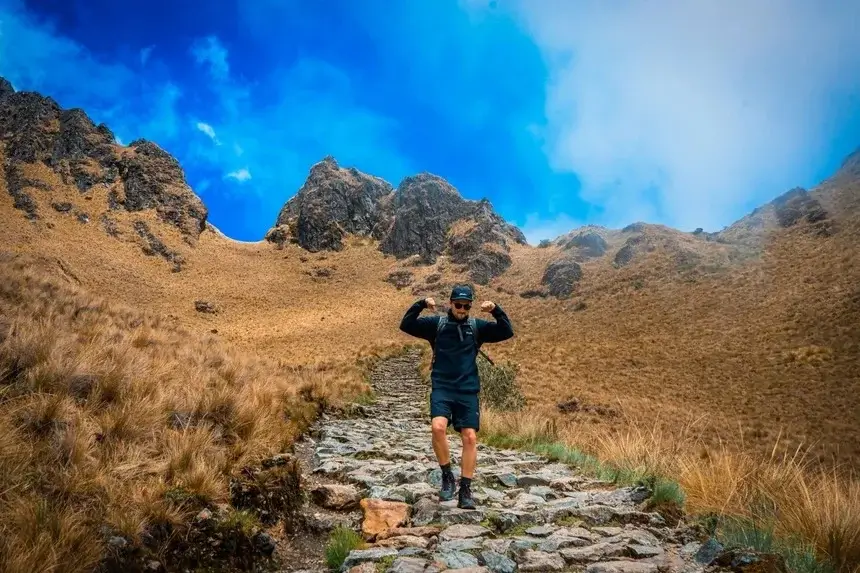
In the world of trekking, there's a list of famous routes. Many mention Everest Base Camp, others talk about Kilimanjaro or Patagonia. In South America, there's one name that always stands out because it leads to a place humanity recognizes as sacred. That route is the Inca Trail to Machu Picchu. Here you don't just see the mountain from afar. You walk right up to the same gateway the Incas used over five hundred years ago. That entrance is called Inti Punku, the Sun Gate, where you get a spectacular view of Machu Picchu that few people know about. For anyone, even without much hiking experience, that final stretch stays with you for a long time.   The Royal Road of the Incas The Inca Trail was part of a massive network of ancient paths that connected mountains, deserts, and jungles across thousands of

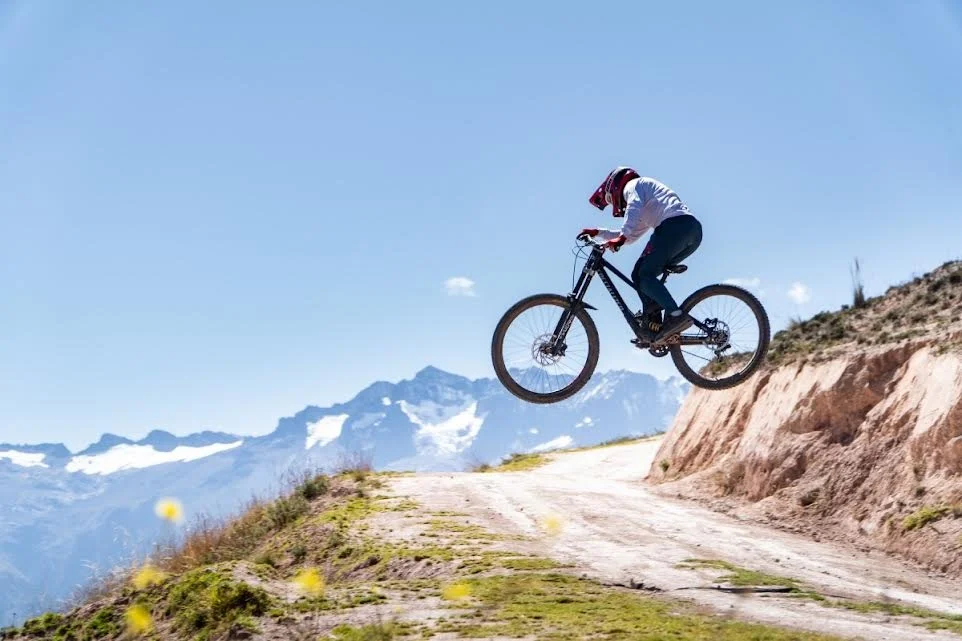
Your body feels the change immediately at 11,150 feet above sea level. Every pedal stroke demands extra effort, the air thins out, and a gentle slope becomes a real challenge. Your muscles cry out for oxygen and your heart rate jumps without warning. Cusco sits deep in the Andean mountain range, former capital of the Tahuantinsuyo. Its main appeal for mountain bikers lies in the trails that cross the region. Paths built over 500 years ago by pre-Columbian cultures, still used today by communities that speak Quechua as their everyday language.   Adapting to altitude The city sits at 11,150 feet. To put that in perspective: Mexico City reaches 7,350 feet, Denver hits 5,280, and most cities worldwide stay below 1,640 feet. Physical adaptation isn't optional. Initial symptoms appear quickly: moderate headache, general fatigue, and shallow breathing. Altitude sickness affects virtually all visitors coming from