

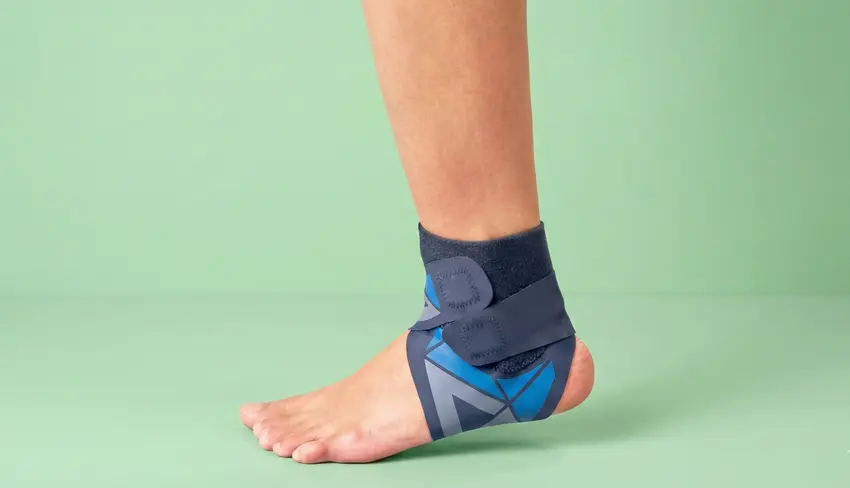
Ankle injuries are among the common musculoskeletal problems, especially for people who play sports, do exercise or walk on uneven surfaces. Even a simple misstep can lead to swelling, pain or a full- blown sprain. Because ankle sprains tend to recur once they happen and prevention becomes essential for long term joint health. One helpful way to reduce the risk of these injuries is by using an ankle support brace, which can offer external stability and support for weak or unstable ankles during regular activities.
1. Introduction
Millions of people experience ankle injuries every year, and many of these can be prevented with proper care. A single sprain can weaken the ligaments, making the ankle more susceptible to future injuries. This is where prevention plays a major role.
An Ankle Support Brace may help provide stability, lower the chance of rolling the ankle, and offer external support around weakened ligaments, especially during sports or high-impact activity.
2. What Is an Ankle Support Brace?
An ankle support is a wearable device designed to stabilize the joint and prevent excess movement that could lead to injury.
It works by:
- Supporting weak or stretched ligaments
- Improving joint alignment
- Reducing unwanted motion that could cause a sprain
- Enhancing the body’s natural stability
These support braces are basically made of materials like neoprene, elastic knit fabric, nylon, Velcro straps and sometimes rigid plastic for higher stability. These designs range from simple compression sleeves to structure brace with laces, straps or hinges.
3. Why Do Sprains and Weak Ankles Happen?
The ankle is a complex joint made up of bones, ligaments, and tendons that work together to help you stand, walk and balance. Sprains often occur when the foot suddenly twists inward or outward, overstretching the ligaments.
Common causes include:
- Sudden twisting during sports
- Walking or running on uneven surfaces
- Wearing improper footwear
- Overuse or fatigue
- Having a history of previous injuries
Weak ligaments can make your ankle unstable, increasing the likelihood of repeated sprains.
4. How an Ankle Support Brace May Help Reduce Sprain Risk
Provides Extra Stability
An ankle brace enhances joint stability by applying gentle compression around the ankle. This keeps the ligaments supported and reduces unnecessary stress. It also helps maintain proper joint alignment, especially during fast movements.
Restricts Harmful Movements
Most ankle sprains happen because of excessive inversion (turning inwards) or eversion (turning outwards). A brace may help limit these harmful motions, which can reduce the chance of the ankle rolling unexpectedly.
Improves Proprioception
Proprioception is the body’s ability to sense joint position. People with ankle instability often experience reduced proprioception, which means the body may react more slowly during sudden movements. A brace improves this awareness, helping reduce injury risks during walking, running or sports.
Offers Support During High-Impact Activities
Whether you’re running, hiking, lifting weights, or playing a sport with quick directional changes, a brace provides the essential stability you need to avoid sprains.
5. Benefits for People with Weak Ankles
- Provides external support around the ligaments by acting as an external support system
- Compression-based braces are commonly used by many people because they may provide a soothing, supportive feel during recovery.
- May help lower the chance of re-injury, especially when used correctly after a sprain and under professional guidance.
- Supports Daily Mobility, making walking and standing feel more secure
If you often feel your ankle ‘giving way,’ some people use a brace regularly for extra support, but this should not replace professional guidance.
6. Types of Ankle Support Braces
Soft Compression Sleeves
Ideal for mild weakness, swelling, and daily use.
Lace-Up Braces
Provide medium to high support with adjustable tension.
Velcro-Wrap Braces
Easy to wear and great for moderate instability.
Hinged Ankle Braces
Offer strong lateral support, often used in sports.
Rigid Braces
Often recommended for use during recovery phases or for people with significant instability, depending on professional guidance.
7. How to Choose the Right Ankle Support Brace
When selecting a brace, consider the following:
- Injury Severity: Mild issues need compression sleeves; severe instability needs rigid braces.
- Support Level: Light, moderate or heavy support depending on your activity.
- Activity Type: Running, gym workouts, sports or daily use require different designs.
- Fit & Comfort: Breathable materials help prevent sweat buildup.
- Medical Guidance: Chronic issues may need a physiotherapist’s recommendation.
8. How to Use an Ankle Support Brace Correctly
- Wear during high-risk activities such as workouts, hiking, or sports.
- Braces are often used along with strengthening exercises, which many people find helpful for long-term support.
- Do not wear overly tight braces, as they may restrict blood flow.
- Follow proper cleaning instructions to maintain hygiene and durability.
Dos:
Choose the correct size
Use during intense physical activity
Remove if you feel numbness or tingling
Don’ts:
Do not sleep with rigid braces
Do not use as a substitute for rehabilitation exercises
9. Alternative Ways to Strengthen Weak Ankles
Strengthening and mobility exercises are essential for long-term improvement:
- Ankle circles, heel raises, toe walks
- Resistance band exercises
- Calf stretches and Achilles stretches
- Wearing supportive footwear
Lifestyle habits like avoiding high heels, warming up properly and maintaining balance training also help improve ankle health.
10. When to See a Doctor or Physiotherapist
You should seek medical attention if you experience:
- Persistent or chronic ankle pain
- Inability to bear weight on the foot
- Frequent sprains or instability
- Severe swelling or bruising
A specialist may recommend imaging tests or custom rehabilitation plans.
11. Final Thoughts
Weak ankles and sprains can disrupt your daily routine but they’re highly preventable with the right support. Using an ankle support along with strengthening exercises and proper footwear can significantly reduce your risk of injury, improve stability and support faster recovery whether you’re an athlete or someone who simple want safe daily movement and the right ankle brace can make a huge difference.
DISCLAIMER:
We are not doctors or licensed medical professionals. This article provides general educational information about ankle support braces and ankle health. It is not medical advice, diagnosis, treatment guidance, or a substitute for consultation with a licensed doctor, physiotherapist, or qualified healthcare professional. Ankle conditions vary widely between individuals, and only a trained medical provider can assess symptoms, recommend treatment, or determine whether an ankle brace is appropriate for your condition.
Any details shared about braces, exercises, injury risks, movement patterns, or joint stability are intended solely for awareness and should not be used for self-diagnosis or self-treatment. This article does not make any claims to prevent, cure, treat, or manage ankle sprains or any medical condition. Results may vary from person to person, and readers should always seek professional medical advice before using supportive devices, performing exercises, or making decisions related to injury prevention or recovery.
WellHealthOrganic.com and the author do not endorse, verify, recommend, or promote any specific ankle brace, medical device, clinic, practitioner, website, product, or program mentioned directly or indirectly. Any external links, references, or products included in this article are for general information only and should not be interpreted as endorsements. Readers must independently verify the accuracy, credibility, and safety of any external service or product before use.
All images used in this article are illustrative reference only. They do not represent real patients, diagnoses, medical results, or professional recommendations and should not be interpreted as medical evidence.
By reading or acting on this article, you agree that all health-related decisions are solely your responsibility. WellHealthOrganic.com, its authors, and publishers assume no liability for any harm, loss, injury, or consequences arising from the use or misuse of the information provided. Using this article implies acceptance of these terms.